Kilimanjaro

A journey through changing landscapes towards Africa’s highest point. Trek from lush rainforest to open alpine terrain, rising above the clouds as you take on a challenge measured in determination as much as altitude.

Kilimanjaro's Challenge

Know the mountain. Understand the climb. Find your way to the roof of Africa.

5,895 Metres Tall

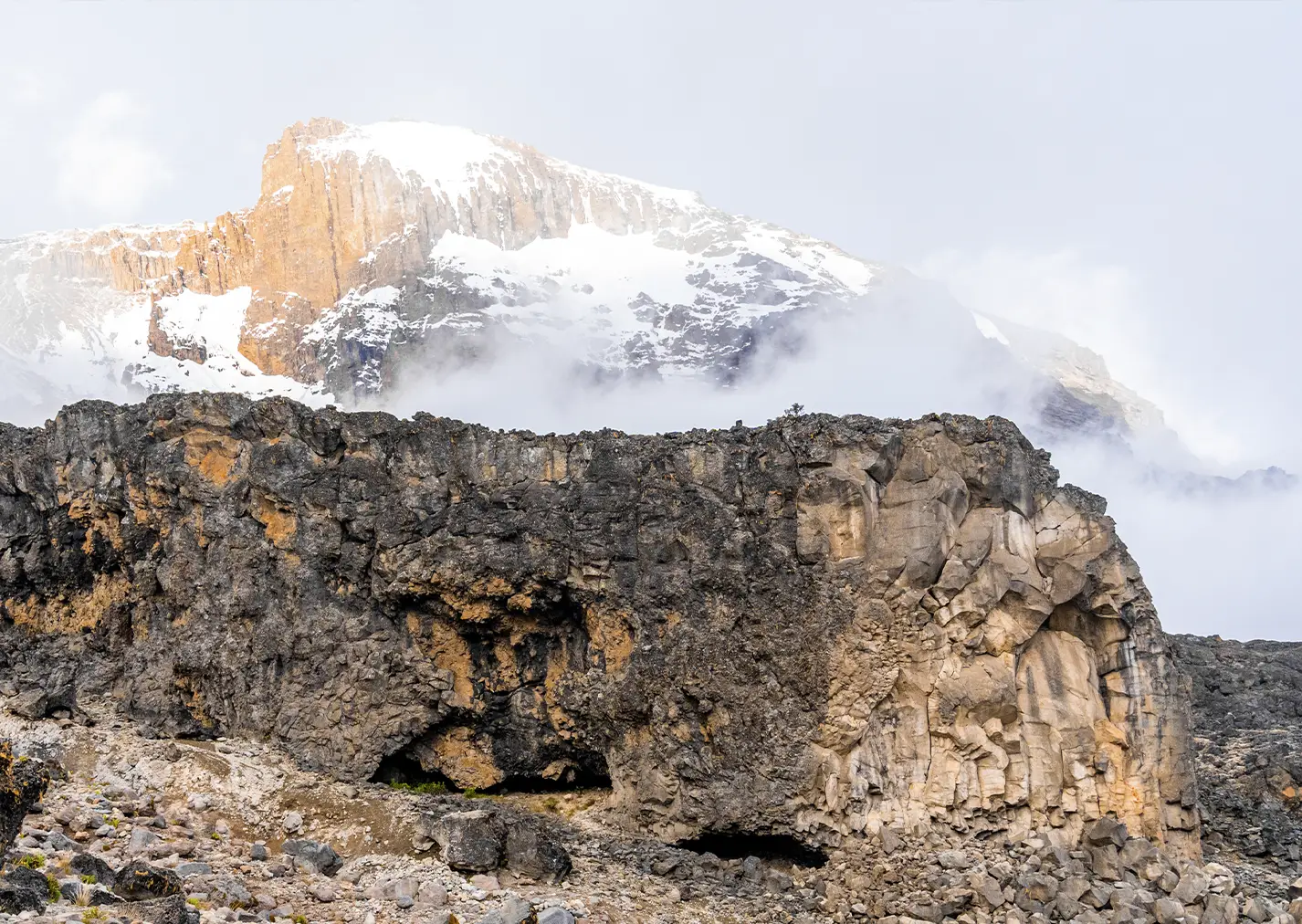
Uhuru Peak marks the highest point in Africa. Reaching it means a gradual journey into thinner air, where a steady pace and time to adjust matter as much as physical endurance.

Five Ecological Zones

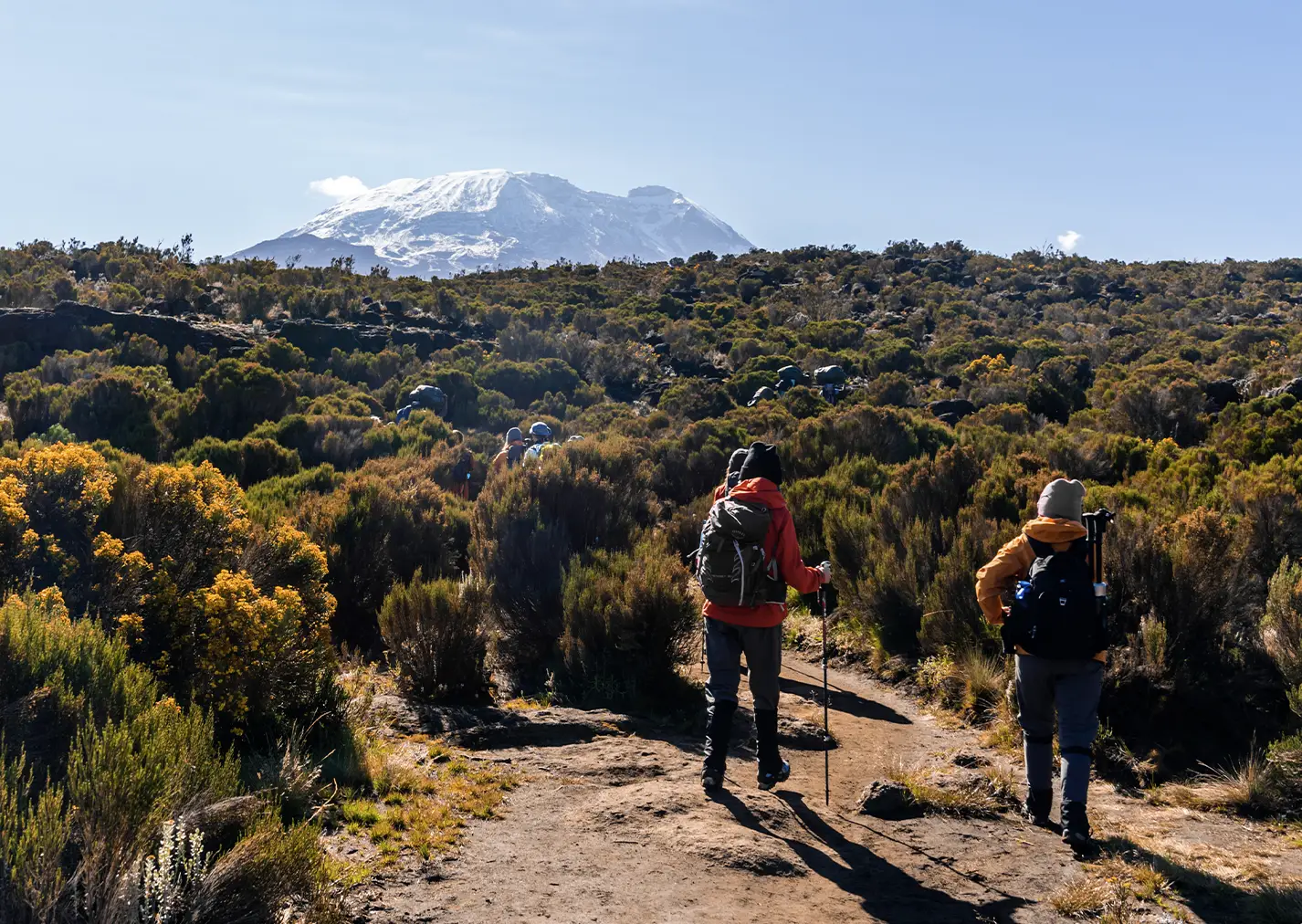
From cultivated foothills and lush rainforest to moorland, alpine desert and the icy summit zone, Kilimanjaro reveals a remarkable range of landscapes as you gain altitude.

Three Volcanic Cones

Kibo, Mawenzi and Shira form Kilimanjaro’s distinctive landscape. Kibo holds the summit, Mawenzi rises in rugged peaks, and the ancient collapse of Shira created the sweeping plateau seen on western routes.

Seven Main Routes

Different trails offer different perspectives, from Machame’s varied scenery to Rongai’s northern approach and the longer Northern Circuit. Your choice shapes the pace, terrain and time spent on the mountain.

Seven to Nine Days

Longer trekking itineraries allow more time to adjust to the altitude. Depending on your route, plan around seven to nine days on the mountain, with arrival and recovery days added separately.

A Demanding Trek

The standard summit routes generally require no technical mountaineering, though some involve scrambling. Long walking days, cold conditions and high altitude make preparation essential, with summit day often the toughest stretch.

Noteworthy Experiences

Rainforest
Day Hike

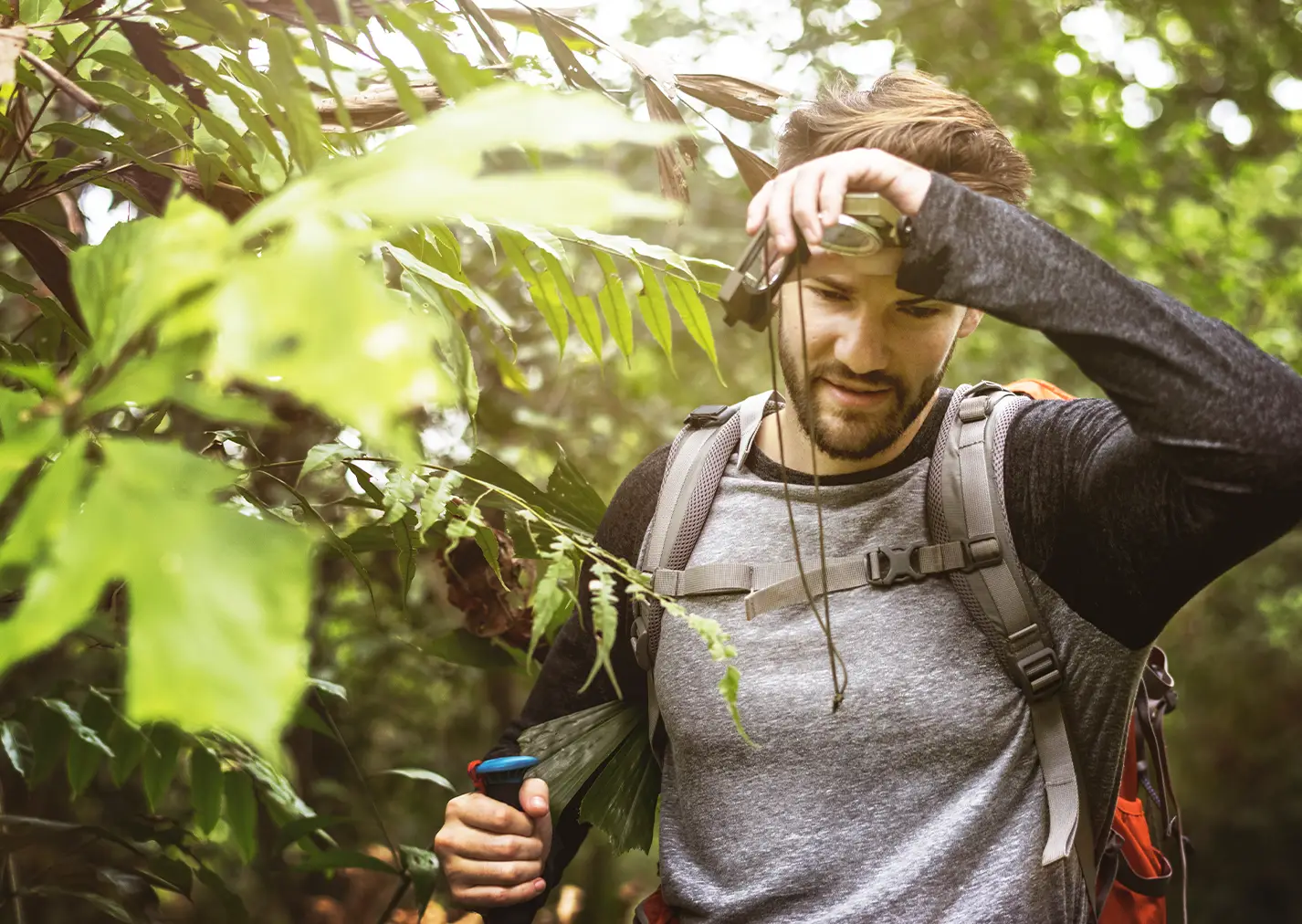
Experience Kilimanjaro’s lower slopes on a guided walk beneath the forest canopy. Follow shaded trails, listen for birds and discover the mountain’s greener side without committing to a full summit expedition.

Sunrise
Above the Clouds

On a summit attempt, the journey often begins beneath a sky full of stars. As dawn reaches the upper slopes, the landscape slowly emerges around you, revealing sweeping views and the scale of the climb.

Nights on the Mountain

Settle into camp after a day on the trail, share stories over dinner and watch the light fade across the slopes. On clear nights, step outside to see a sky scattered with stars before resting for the journey ahead.
Contact us to create a custom experience that works best for you
Get In Touch Today

Planning Your Journey Through Kilimanjaro

When is the best time to climb?

January to early March and late June to October generally offer drier conditions for trekking. January and February tend to be warmer, while the mid-year season brings cooler weather. Rain, wind and freezing temperatures remain possible at higher elevations, so preparation matters whichever month you choose.

How fit do I need to be?

You don’t need technical mountaineering experience for the standard trekking routes, but you do need stamina for consecutive days of walking. Prepare with regular hikes, uphill walks and practice carrying your daypack. Some sections involve scrambling, and summit day is particularly demanding. Fitness helps with the effort, but adjusting to altitude takes time.

Which route and duration should I choose?

Your route should suit your experience, available time and preferred pace. Seven to nine days on the mountain allows more time for acclimatisation than shorter itineraries. Options include the scenic Lemosho, varied Machame and longer Northern Circuit. Allow additional days before and after the trek for arrival, preparation and rest.

What equipment will I need?

Prepare for conditions ranging from humid forest to a freezing summit. Essentials include broken-in hiking boots, thermal layers, an insulated jacket, waterproof outerwear, warm gloves and a hat. You’ll also need a headtorch, trekking poles, a suitable sleeping bag and a comfortable daypack. Confirm the full kit list and what your operator supplies before travelling.

Some questions, some answers

How involved will I be in planning my trip?

As much or as little as you’d like. We start with a conversation about what excites you about your upcoming trip from wildlife, culture, relaxation, or a mix of all. From there, we shape the journey together and handle every detail until it feels exactly right.

Are the experiences private or group-based?

Most of our safaris and escapes are fully private, designed around your schedule and preferences. For travelers who enjoy company, we can arrange small group options that still keep comfort and space a priority.

Is it safe to go on safari?

Safaris are generally safe when thoughtfully planned and led by experienced guides. We work with trusted local partners and carefully selected camps and lodges, with guides who understand wildlife behaviour and the areas you’ll explore. Wild animals are unpredictable, so following your guide’s instructions is essential to enjoying the experience safely.

Do you handle flights and transfers too?

Yes, we can take care of everything from domestic flights and airport pickups to private transfers between lodges. If you’d prefer to arrange your international flights yourself, that’s completely fine too.

What level of accommodation should I expect?

We work with handpicked lodges, boutique camps, and private villas that balance comfort with character. Whether you prefer barefoot luxury or classic safari elegance, we match the stay to the atmosphere you want.

What’s the best time of year to visit?

It depends on what you want to experience. The Great Migration happens from June to October, while Zanzibar is perfect year-round. If you share your interests, we’ll guide you toward the best season for your ideal trip.

Can you arrange special experiences or requests?

Absolutely. Hot air balloon rides, private bush dinners, photography safaris, cultural visits — we love making special requests happen. If there’s something specific you’ve dreamed of, just let us know and we’ll make it part of your journey.

Chat with a
curator